

Unveiling the First Hotel in Vegas: Discovering the Oldest Hotels and Their Legendary Stories on the Strip
Las Vegas, a city synonymous with glamour and excitement, has a rich history that dates back to its earliest days. At the heart of this history lies the first hotel in Vegas, a landmark that paved the way for the vibrant hospitality industry we know today. In this article, we will delve into the fascinating story of the oldest hotels in Las Vegas, exploring their unique tales and the evolution of the iconic Las Vegas Strip. From the origins of the first hotel on the Strip to the legendary venues where Elvis made his mark, we will uncover the secrets behind these historic establishments. Join us as we navigate through the old Las Vegas hotels, their significance, and what ultimately happened to the first hotel in Las Vegas. Prepare to embark on a journey that celebrates the legacy of the oldest hotel in Vegas and the timeless allure of Las Vegas itself.
What was the first hotel to open in Las Vegas?
The History of the First Hotel in Vegas
The first hotel in Las Vegas was the Golden Gate Hotel and Casino, originally known as the Hotel Nevada, which began welcoming guests in 1906. Located on Fremont Street, the Golden Gate is a historic landmark that has undergone numerous renovations while preserving its rich heritage. The hotel features ten original rooms that date back to its opening, offering a glimpse into the early days of Las Vegas hospitality. Over the years, the Golden Gate has evolved, incorporating modern amenities while maintaining its classic charm. This blend of history and contemporary luxury makes it a unique destination for visitors seeking to experience the origins of Las Vegas.
What Happened to the First Hotel in Vegas?
Throughout its history, the Golden Gate Hotel and Casino has seen significant transformations. Initially, it catered to a modest clientele, but as Las Vegas grew, so did the hotel’s offerings. The establishment has undergone several renovations to modernize its facilities while still honoring its past. Today, the Golden Gate stands as a testament to the evolution of Las Vegas, showcasing both its historical significance and its role in shaping the vibrant hospitality landscape of the city. For more insights into the history of Las Vegas hotels, you can explore resources like the Nevada Historical Society and the Las Vegas Review-Journal.
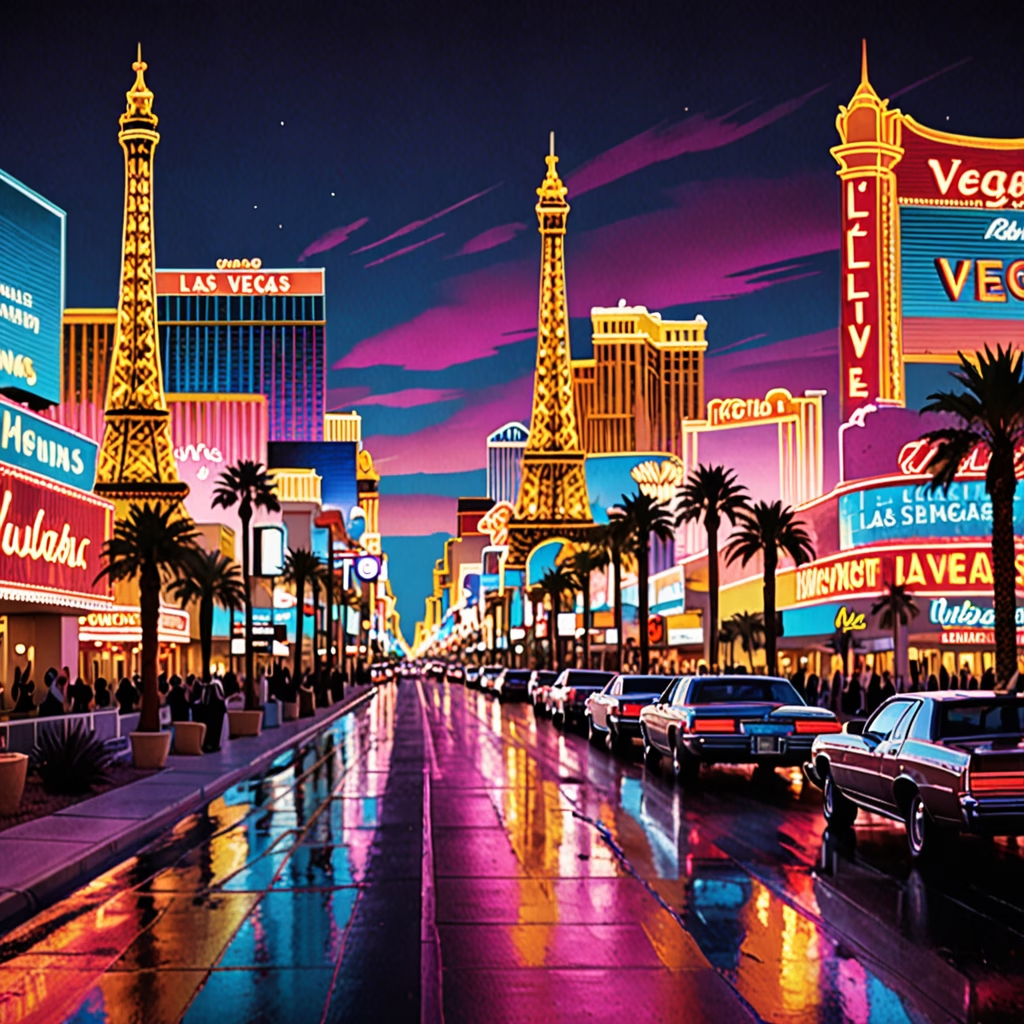
What was the first hotel casino in Las Vegas?
The Evolution of Hotel Casinos in Las Vegas
The first hotel casino in Las Vegas is the Golden Gate Hotel & Casino. Established in 1906, it originally opened as the Hotel Nevada before being renamed. The Golden Gate is notable for several significant milestones in Las Vegas history, including:
- First Casino: It was the first casino to operate in Las Vegas, marking the beginning of the city’s transformation into a gambling and entertainment hub.
- Historic Significance: The Golden Gate features the iconic neon sign, which has become a symbol of Las Vegas.
- Innovative Offerings: It introduced various gaming options and amenities that set the standard for future casinos, including the first cocktail service on the casino floor.
The evolution of hotel casinos in Las Vegas has been remarkable. From the modest beginnings of the Golden Gate, the city has grown into a global gaming capital, with luxurious resorts and expansive gaming floors. This transformation has been driven by a combination of innovative marketing, themed resorts, and the integration of entertainment options that appeal to a diverse audience.
Who Opened the First Casino in Las Vegas?
The Golden Gate Hotel & Casino was opened by John F. Miller, a key figure in the early development of Las Vegas. His vision for the hotel and casino laid the groundwork for what would become a thriving industry. Over the years, the Golden Gate has undergone numerous renovations and expansions, maintaining its status as a historic landmark while adapting to modern trends in hospitality and gaming. For more detailed historical insights, you can refer to sources such as the Nevada Government and the Vegas Travel Guide.
What is the Oldest Hotel on the Strip?
The oldest hotel on the Las Vegas Strip is the Flamingo Las Vegas. The Flamingo’s casino first opened its doors on December 26, 1946, followed by the launch of its three-story hotel on March 1, 1947. This establishment is recognized as the oldest continuously operating resort on the Strip and was the third hotel to open in that iconic area. The Flamingo was founded by mobster Bugsy Siegel, who was instrumental in its development. Tragically, Siegel was murdered by an unknown assailant in June 1947, which led to numerous changes in ownership over the subsequent decades. The Flamingo has undergone several renovations and expansions since its inception, adapting to the evolving landscape of Las Vegas tourism.
Exploring the Oldest Hotels in Las Vegas
Las Vegas is home to several historic establishments that have shaped its vibrant culture. Beyond the Flamingo, other notable oldest hotels in Las Vegas include the Plaza Hotel Las Vegas, which opened in 1971, and the Bellagio Hotel in Las Vegas, known for its stunning fountains and luxurious accommodations. These hotels not only provide a glimpse into the past but also continue to attract visitors with their unique charm and historical significance.
Old Las Vegas Hotels: A Glimpse into the Past
The old Las Vegas hotels tell a story of the city’s evolution from a small desert town to a bustling entertainment capital. Many of these establishments, such as the oldest hotel in Las Vegas, have witnessed significant events and changes over the decades. For instance, the Monte Carlo Casino has undergone a transformation, now known as Park MGM, reflecting the ongoing development in the area. Exploring these old Las Vegas hotels on the Strip provides a fascinating insight into the city’s rich history and the legacy of its founders.
Where was the original Las Vegas Strip?
The original Las Vegas Strip was not located on the current Las Vegas Boulevard South but rather on Fremont Street. Fremont Street, named after the American explorer John C. Fremont, was the first paved street in Las Vegas, established in 1925. It became the center of Las Vegas nightlife and entertainment, with the Northern Club opening as the first legal casino on Fremont Street in 1931. This area laid the groundwork for what would eventually evolve into the vibrant entertainment district we know today.
The Origins of the Las Vegas Strip
The Las Vegas Strip, as we recognize it now, began to take shape in the 1940s and 1950s. Iconic resorts like the Flamingo and the Sands opened along Las Vegas Boulevard, marking a significant shift in the city’s entertainment landscape. This transition from Fremont Street to the Strip was pivotal, as it introduced larger, more luxurious hotels and casinos that catered to a growing tourist population. The Strip quickly became synonymous with glamour and excitement, attracting visitors from around the globe.
Old Las Vegas Strip Hotels and Their Stories
Many of the old Las Vegas hotels on the Strip have fascinating histories that reflect the evolution of the city. For instance, the Flamingo, opened by mobster Bugsy Siegel in 1946, was one of the first hotels to embody the lavish style that would define the Strip. Its success paved the way for future developments, establishing a trend of opulence that continues to this day.
Another notable establishment is the Sands Hotel, which was a hotspot for celebrities and entertainers during its heyday. The Sands hosted legendary performers like Frank Sinatra and the Rat Pack, contributing to the hotel’s status as a cultural icon. These old Las Vegas strip hotels not only provided accommodations but also served as venues for groundbreaking entertainment, shaping the identity of Las Vegas as a premier destination for nightlife and leisure.
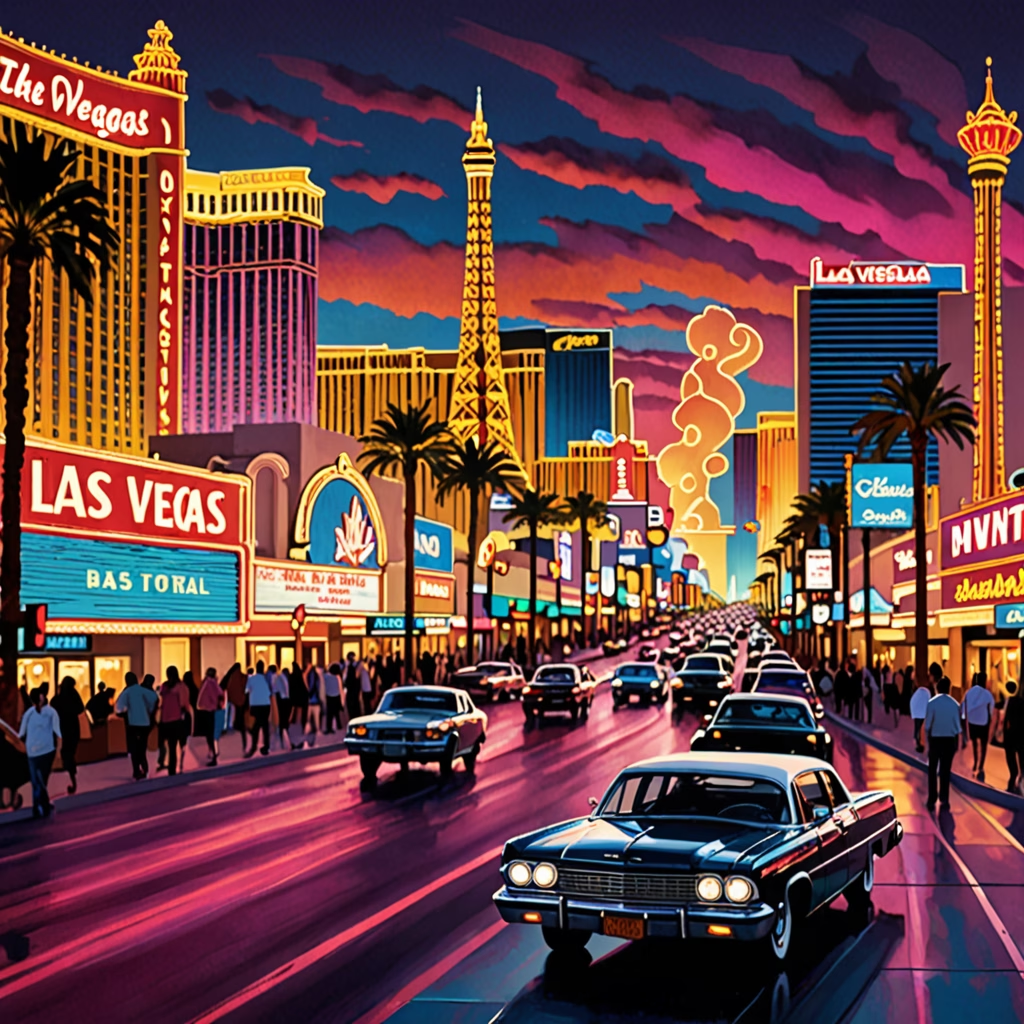
What hotel did Elvis first play in Las Vegas?
Elvis Presley first performed in Las Vegas at the International Hotel, now known as the Westgate Las Vegas Resort & Casino. His groundbreaking residency began in July 1969, where he captivated audiences with two shows a night, seven days a week. This venue was significant as it marked the King of Rock ‘n’ Roll’s return to live performances after a period focused on film. The International Hotel was the largest hotel in Las Vegas at the time, and Elvis’s shows played a crucial role in establishing Las Vegas as a premier entertainment destination. His residency lasted until 1976 and is credited with revitalizing the live music scene in the city. For more details on Elvis’s impact on Las Vegas, you can refer to sources like the Las Vegas Official Site and the official Elvis Presley website.
Elvis and His Connection to Las Vegas Hotels
Elvis’s connection to Las Vegas hotels extends beyond just his performances. The International Hotel, as the first hotel to host his residency, became a symbol of the entertainment revolution in Las Vegas. This venue not only showcased Elvis but also set the stage for other major acts to follow, transforming the landscape of Las Vegas entertainment. The success of his shows at the International Hotel paved the way for the establishment of numerous other hotels and casinos that would feature live performances, making Las Vegas synonymous with world-class entertainment. Today, many of the old Las Vegas hotels continue to honor this legacy, celebrating the rich history of performances that have taken place on the Strip.
The Legacy of Old Vegas Hotels on the Strip
The legacy of old Vegas hotels, particularly those that hosted iconic performances like Elvis’s, remains a significant part of Las Vegas’s allure. Hotels such as the International Hotel, now the Westgate, and others like the Plaza Hotel Las Vegas and the Monte Carlo Casino, have shaped the entertainment culture of the city. These venues not only provided a stage for legendary performances but also contributed to the development of the Las Vegas Strip as a premier destination for tourists and entertainers alike. The stories and histories of these old Las Vegas hotels continue to attract visitors, eager to experience the magic of a bygone era.
What is the oldest thing in Las Vegas?
Discovering the Oldest Attractions in Las Vegas
The oldest structure in Las Vegas is the Old Las Vegas Mormon Fort, recognized as the first permanent non-native settlement in the Las Vegas Valley. Established by Mormon missionaries in 1855, this historic site features the remnants of an adobe fort built along a spring-fed creek. The fort served as a crucial water source and a waystation for travelers heading to California during the Gold Rush.
Today, the Old Las Vegas Mormon Fort is preserved as a state park, allowing visitors to explore its historical significance and learn about the early settlers’ impact on the region. The site includes interpretive exhibits and artifacts that provide insight into the life and challenges faced by the Mormon community in the 19th century. For those interested in the broader historical context, the fort is part of a larger narrative about the development of Las Vegas, which has evolved from a modest settlement to a bustling metropolis known for its entertainment and tourism.
Old Las Vegas Hotels: Historical Significance and Demolition
When discussing the oldest hotels in Las Vegas, we cannot overlook the historical significance of establishments like the Boyd Hotels in Las Vegas and the Plaza Hotel Las Vegas. These old Las Vegas hotels not only provide a glimpse into the past but also reflect the evolution of the hospitality industry in the city. Many of these hotels have undergone significant renovations or have been demolished to make way for new developments, highlighting the rapid changes in Las Vegas.
Understanding the history of these old Las Vegas hotels is essential for appreciating the unique character of the Strip. They serve as reminders of the city’s rich heritage and the transformation it has undergone over the decades. As we explore the oldest hotels in Las Vegas, we gain insight into the stories and experiences that have shaped this iconic destination.
List of Hotels in Las Vegas Strip
A Comprehensive List of Oldest Hotels in Las Vegas
The first hotel in Vegas was the Las Vegas Hotel, which opened its doors in 1906. This establishment marked the beginning of the hospitality industry in Las Vegas, paving the way for the vibrant hotel scene we see today. Over the years, several hotels have claimed the title of the oldest hotels in Las Vegas, each with its unique history and charm. Here’s a list of some of the oldest hotels that have stood the test of time:
- Golden Gate Hotel & Casino – Established in 1906, it is the oldest hotel in Las Vegas still in operation.
- El Cortez Hotel & Casino – Opened in 1941, this hotel is known for its vintage Las Vegas vibe.
- Flamingo Las Vegas – Launched in 1946, it was the first luxury hotel on the Strip.
- The Tropicana – Opened in 1957, it has undergone numerous renovations while retaining its classic appeal.
- Caesars Palace – Since 1966, it has been a landmark of luxury and entertainment on the Strip.
These old Las Vegas hotels not only provide accommodations but also offer a glimpse into the rich history of Las Vegas, showcasing the evolution of the city from a small desert town to a bustling entertainment capital.
What Was the First Casino in Las Vegas?
The title of the first casino in Las Vegas goes to the El Rancho Vegas, which opened in 1941. This casino was significant as it was the first to be built on the Las Vegas Strip, setting the stage for the future of casino resorts in the area. El Rancho Vegas featured a hotel, casino, and various entertainment options, attracting visitors from all over. Unfortunately, it closed in 1960 and was later demolished, but its legacy remains a crucial part of Las Vegas history.
In addition to El Rancho Vegas, the first hotel casino in Las Vegas was the Flamingo, which opened shortly after in 1946, further solidifying the Strip’s reputation as a premier destination for gaming and entertainment. The Flamingo’s success inspired many other hotels and casinos to follow suit, leading to the vibrant and diverse landscape of old Las Vegas hotels on the Strip that we enjoy today.
 English
  Español
  Português do Brasil
  العربية
  简体中文
简体中文  हिन्दी
  Français